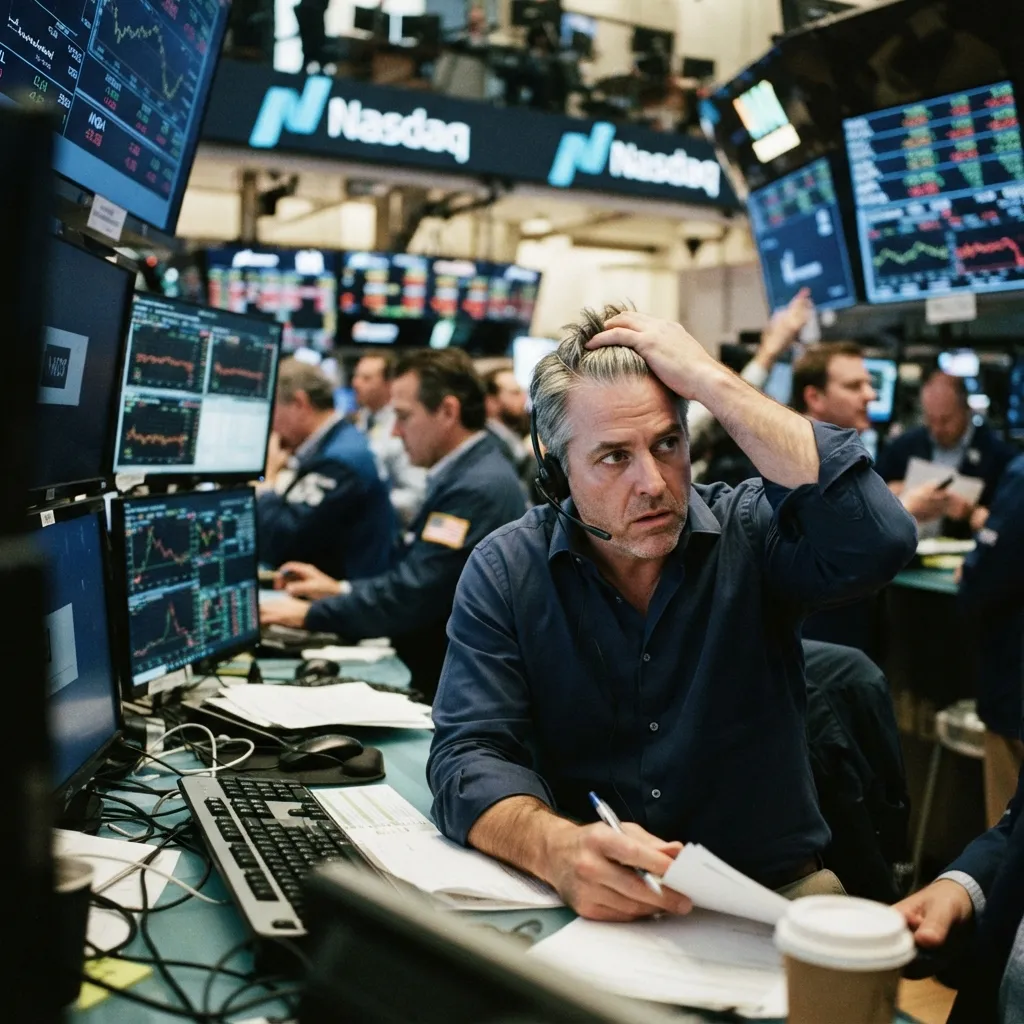
Global stock markets have recently felt like a rollercoaster, swinging between euphoric rallies and bruising sell-offs. Much of this instability stems from a growing nervousness regarding artificial intelligence. While high profile debuts like Anthropic initially sparked excitement, investors quickly pivoted toward anxiety over whether the astronomical valuations of tech giants are sustainable. Political shocks in the US and leadership drama at Nvidia have only added fuel to the fire, leaving many traders jittery and quick to dump their holdings at the first sign of trouble.
For the average person, this volatility is often invisible until they check their pension or investment app. Because massive tech firms dominate major indices, many people who thought they were safely diversified in global equity funds discovered they were actually heavily exposed to a handful of Silicon Valley giants. Dan Coatsworth of AJ Bell notes that US shares now make up nearly three quarters of certain global benchmarks, meaning a bad week for tech creates a ripple effect that drags down almost every passive fund available to retail investors.
Despite the red numbers on screen, financial experts warn against the urge to panic sell. The fundamental rule remains that a loss is only realized once an investor sells their position; otherwise, it is merely a fluctuation on paper. Historical data shows that markets move in cycles, recovering from previous shocks ranging from pandemics to tariff wars. Holly Mackay of Boring Money suggests that while humans are wired for flight during a crisis, doing nothing is frequently the most rational strategy when facing short term market dips.
If current levels of risk feel uncomfortable, analysts suggest reviewing diversification strategies rather than exiting the market entirely. This could involve shifting toward equal weight funds or exploring international options that exclude US dominance to gain better exposure to healthcare or energy sectors. For those with a longer time horizon and stronger stomach, some see these dips as a prime opportunity to buy quality companies at a discount before the next inevitable climb begins.