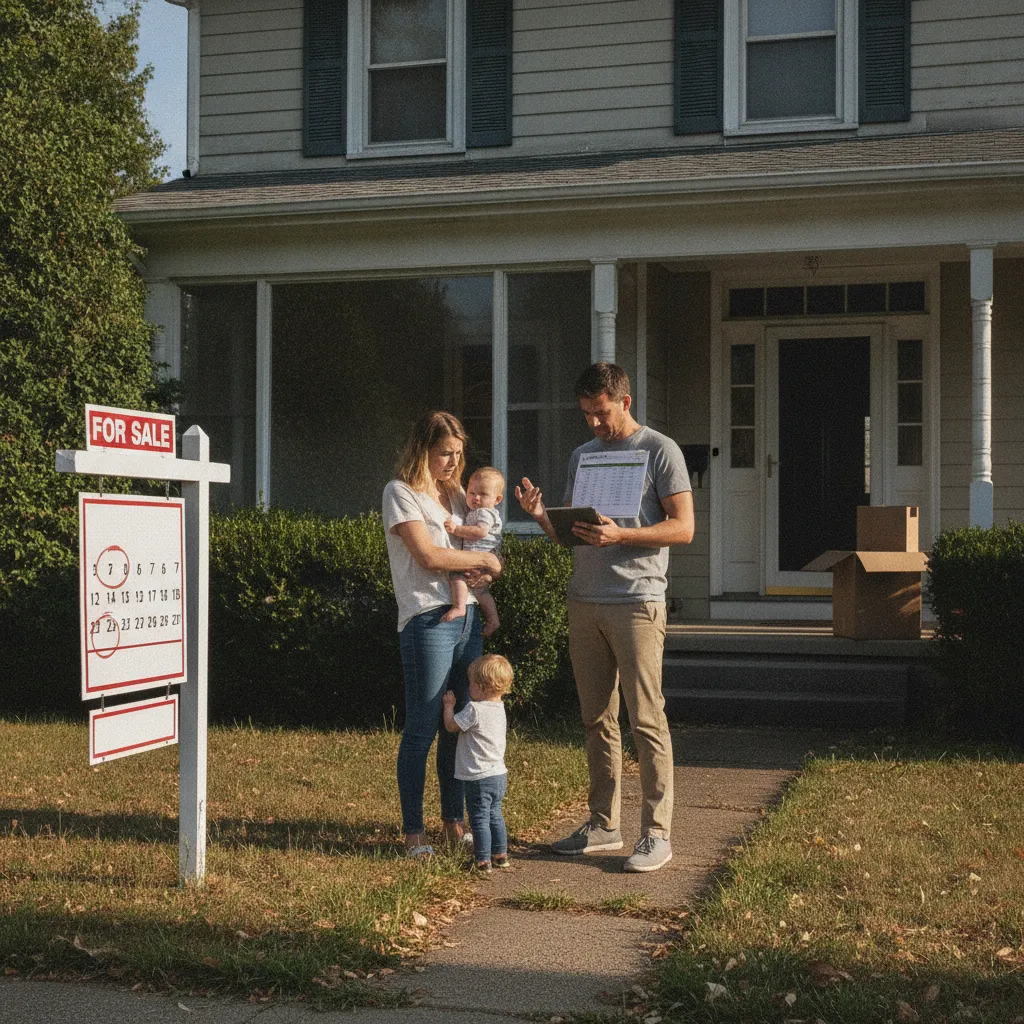
Not long ago, homeowners across the United States could practically guarantee a quick sale, often fetching far more than their original asking price. Today, that confidence has vanished. A stagnant housing market is leaving many sellers in a frustrating limbo, unable to move for new jobs or upgrade to larger homes for growing families. With mortgage rates climbing and inflation squeezing budgets, the frenzy of the early twenties has been replaced by a cautious silence that is forcing owners to rethink their strategies.
For those desperate to move, the current environment requires significant compromise. Real estate agents report that sellers are increasingly slashing their asking prices and offering thousands of dollars in concessions to lure hesitant buyers. Some are even paying to buy down mortgage rates for their clients or covering costly repairs just to secure a handshake. This shift represents a fundamental change in power dynamics, moving away from the seller dominated era toward a landscape where buyers hold the cards.
The personal toll of this slowdown is evident in stories like that of Liz Suder from Texas, who spent over a year trying to sell her family home before finally accepting an offer well below her initial target and chipping in extra cash for repairs. Others are not as lucky; some homeowners who bought recently lack the equity needed to drop their prices further, leaving them trapped in houses they can no longer afford or no longer want while they wait for a potential seasonal rebound in the spring.
Data suggests this isn’t just anecdotal frustration but a nationwide trend. Recent figures show a sharp increase in the percentage of listings seeing price cuts, with sellers vastly outnumbering active buyers in major metropolitan areas. While these discounts provide some relief for shoppers, economists warn that price drops alone may not be enough to overcome the steep hurdle of affordability created by high interest rates and years of skyrocketing property values.