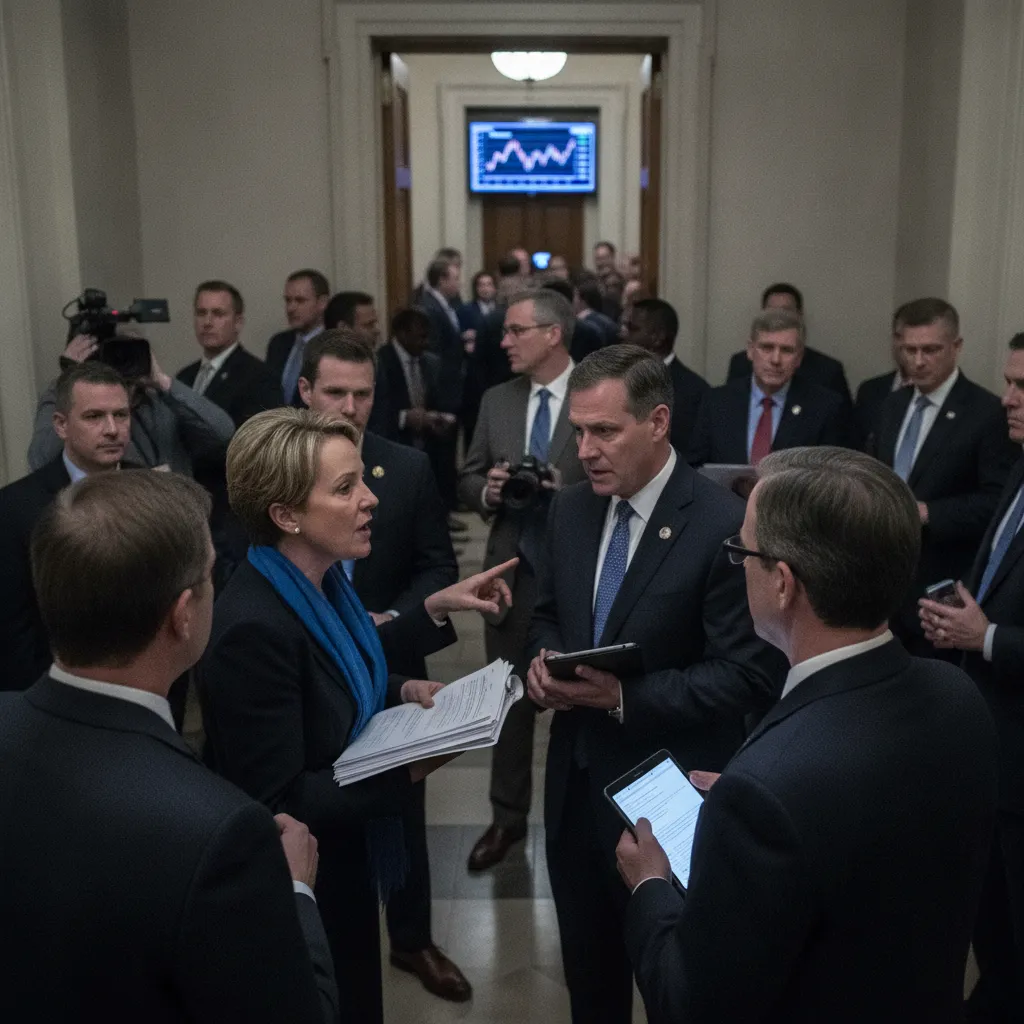
Washington has long viewed the sudden explosion of prediction markets with a mixture of confusion and caution, leaving these betting platforms to operate in a regulatory gray area. While nearly thirty bills aimed at curbing the industry have floated through Congress since 2025, none have crossed the finish line. However, current polling suggests Democrats are poised to reclaim the House next month, a shift that could suddenly breathe life into legislative efforts to restrict how congressional staffers trade and ban certain types of high-stakes contracts.
Beyond new laws, a Democratic majority would likely wield committee investigative powers to scrutinize the cozy ties between top platforms and the Trump family. Specifically, Donald Trump Jr.’s roles as an advisor to Kalshi and Polymarket have raised eyebrows across the political spectrum. Critics argue that his proximity to power may have influenced regulatory favors from the administration, creating an optics nightmare that even some Republicans find troubling. While spokespeople for Trump Jr. dismiss these claims as politically motivated harassment, the suspicion persists that private influence is shaping public rulebooks.
The Commodity Futures Trading Commission finds itself caught in the middle of this storm. As the primary watchdog for these markets, the CFTC is facing questions about whether its capacity has been hollowed out by recent staffing cuts. Although the agency insists it is well-equipped to manage emerging event contracts, skeptical lawmakers worry that a leaner regulator cannot effectively police a booming industry fraught with potential conflicts of interest.
For their part, platforms like Polymarket claim they welcome the spotlight, arguing that much of the hostility stems from a fundamental misunderstanding of how their technology works. They maintain that they provide immense value and are eager to establish clear rules of engagement with Washington. Even as they hire former Democratic aides to smooth over tensions, these companies remain braced for a future where their growth is met with aggressive oversight rather than passive observation.