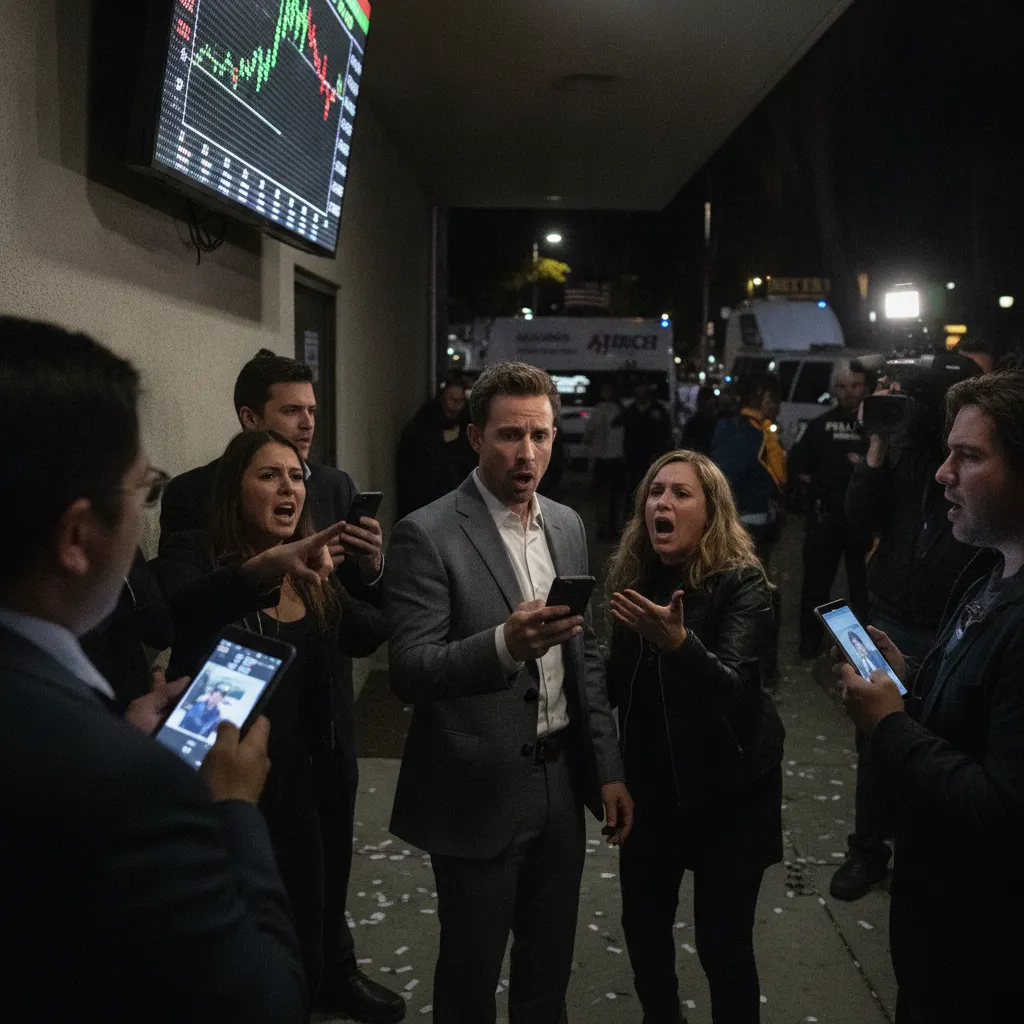
When Spencer Pratt entered the race for Los Angeles mayor, few expected the former reality TV star to be a serious contender. Yet, on digital prediction markets like Kalshi and Polymarket, millions of dollars flowed into bets favoring his victory. By the eve of the June primary, some speculators pegged his chances of advancing at a staggering 78 percent. When Pratt ultimately finished third, the discrepancy between the betting odds and the ballot box created a dangerous vacuum that his supporters quickly filled with claims that the election itself had been compromised.
This disconnect highlights a growing concern among election officials and researchers who warn that gambling platforms are being mistaken for reliable data sources. Unlike traditional political polling, which relies on structured methodology and representative sampling, prediction markets reflect only the whims and wallets of bettors. Dean Logan, the registrar recorder for Los Angeles County, noted that treating these financial projections as authoritative creates unnecessary confusion during the critical period when actual votes are being tallied.
Investigations into these platforms suggest that the perceived momentum of certain candidates may actually be manufactured through strategic trading. An analysis by the Anti Corruption Data Collective revealed frequent price spikes where sudden, massive injections of cash artificially inflated a candidate’s probability of winning. In one instance during the Pratt race, a single trader spent over one million dollars on yes contracts in moments, causing a sharp jump in predicted success that lingered long enough to potentially sway public perception before correcting itself.
These vulnerabilities extend far beyond local races. Research indicates that nearly twenty three percent of heavily traded congressional markets have experienced similar erratic price swings. Whether it is a small investment driving up odds in an Illinois Senate race or multimillion dollar wagers in major cities, these fluctuations allow wealthy actors to create an illusion of broad electoral support. As viewing numbers for these platforms continue to dwarf actual trading activity, more citizens are looking to gamblers rather than pollsters to understand American democracy, often without realizing they are watching a rigged game of financial musical chairs.