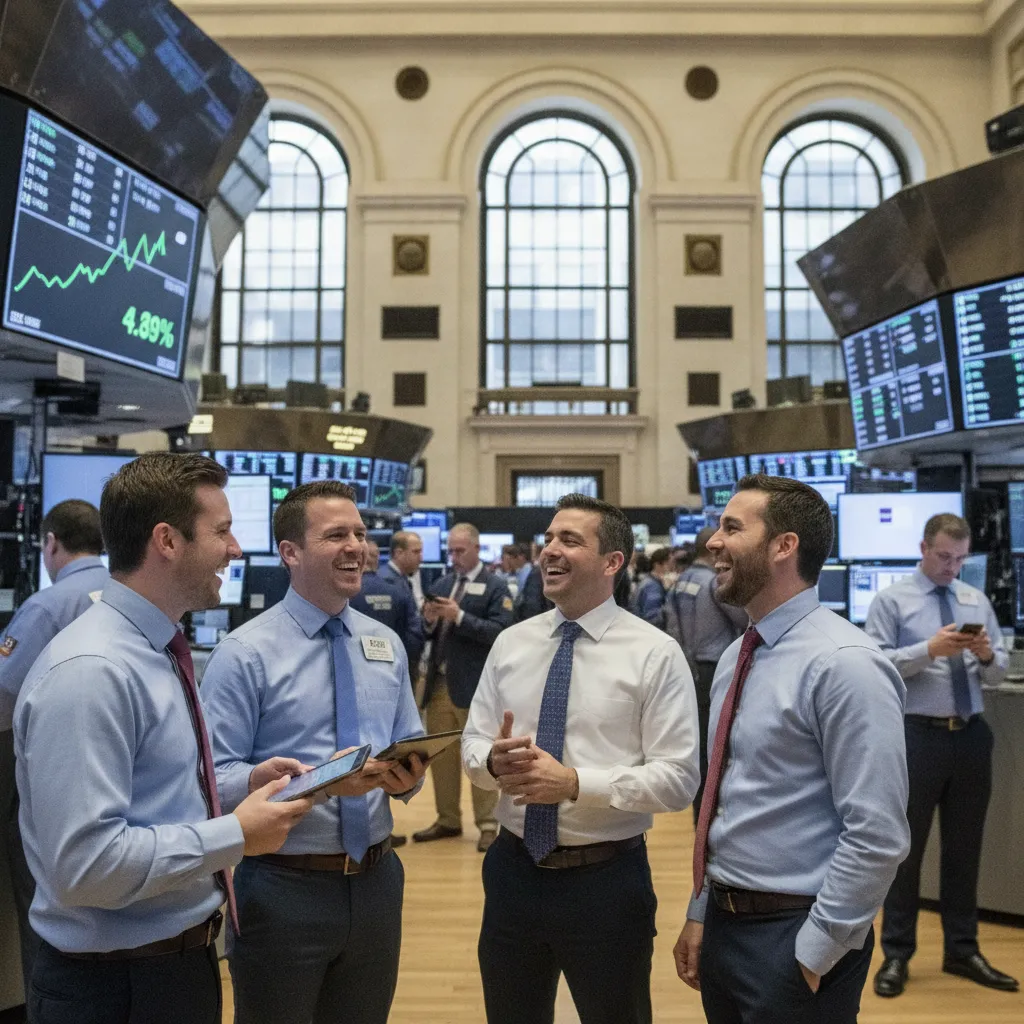
Investors are currently feeling the tension as another round of midterm elections looms, but historical data suggests there is little reason for panic. While the days leading up to a vote are often marked by anxiety, the S&P 500 has a long track record of performing well once the dust settles. An analysis of returns dating back to 1980 reveals that the index typically climbs in the months following both presidential and midterm contests, with positive returns seen in ninety one percent of cases over a one year horizon. In fact, between 1982 and 2022, every single midterm election was followed by a gain in the S&P 500.
Interestingly, the market does not necessarily crave a landslide victory for either side. History indicates that investors actually prefer political gridlock over total dominance by one party. When government is divided between the White House and Congress, the S&P 500 has risen an average of fifteen percent over the subsequent year. This preference stems from a fear that single party control can lead to excessive spending or unchecked legislative swings. Even scenarios where Republicans hold the presidency while Democrats maintain control of Congress have historically yielded double digit gains a year after the polls close.
However, experts warn against treating these patterns as guarantees. Political outcomes are often secondary to larger economic forces like Federal Reserve policy and corporate earnings cycles. For example, despite general post election optimism, the market plummeted after 2000 due to the dot com crash and struggled after 2018 because of aggressive interest rate hikes. Today, analysts suggest that while seasonality might point toward a rally, current volatility is driven more by artificial intelligence trends and geopolitical instability than by who wins a few seats in Washington.
Ultimately, while history offers a comforting trend of recovery and growth following midterms, today’s landscape remains complex. Risks ranging from escalating tensions with Iran to fluctuations in global bond markets mean that politics is just one piece of the puzzle. As longtime strategists note, while removing electoral uncertainty provides immediate relief to traders, the long term health of this bull market depends more on economic growth and technological innovation than on which party holds the gavel in Congress.